Blog
Notes from the Statewave project
How agent memory works under the hood, deployment patterns we land on, and the design choices behind a Postgres-only, self-hosted memory runtime. Subscribe via RSS.
- Guides
6 Best Open-Source Cognee Alternatives (2026)
Compare six Cognee alternatives for agent memory, GraphRAG, temporal graphs, simpler storage, and governed interaction context.
Read post
- Guides
6 Best Open-Source Letta Alternatives (2026)
Compare six Letta alternatives for external memory, full agent runtimes, LangGraph, learned behavior, and portable context systems.
Read post
- Guides
6 Best Open-Source Zep Alternatives (2026)
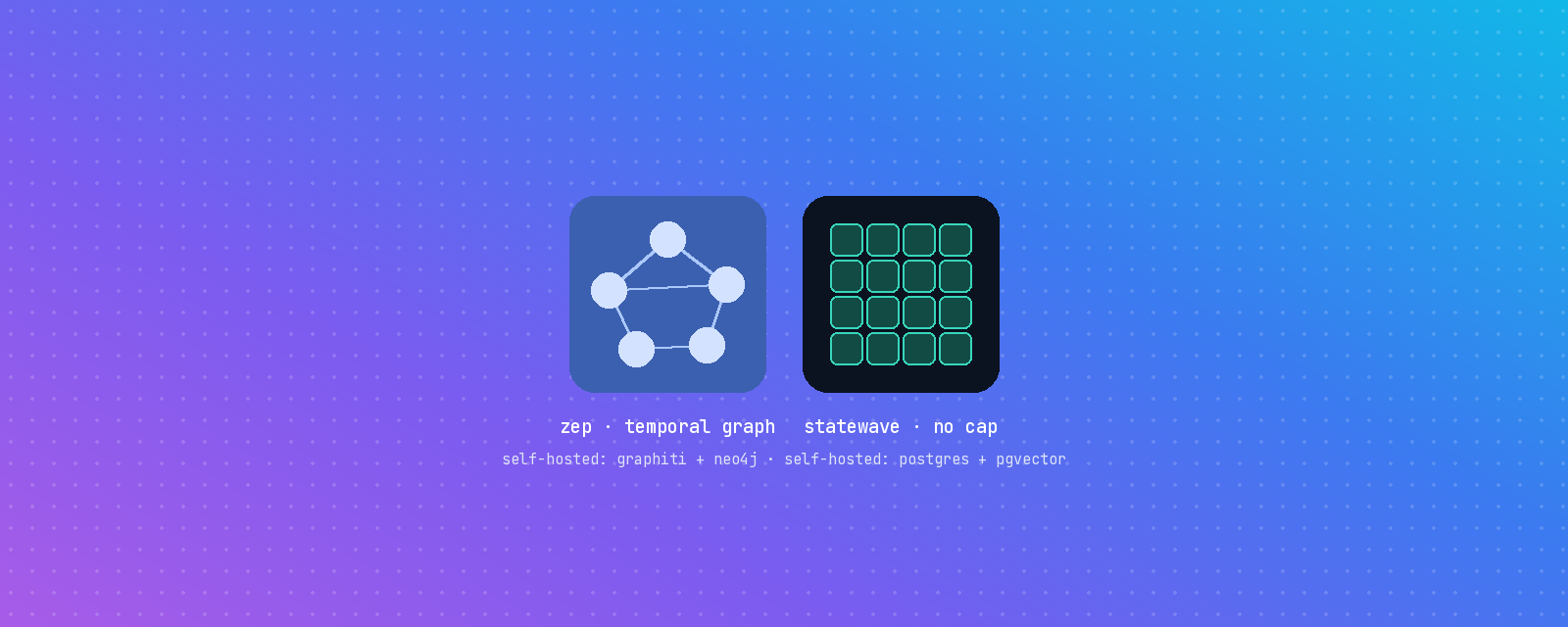
Compare six Zep alternatives for self-hosted agent memory, temporal graphs, predictable ingestion cost, and governed context.
Read post
Statewave Guide — Day 2: Unknown is better than wrong
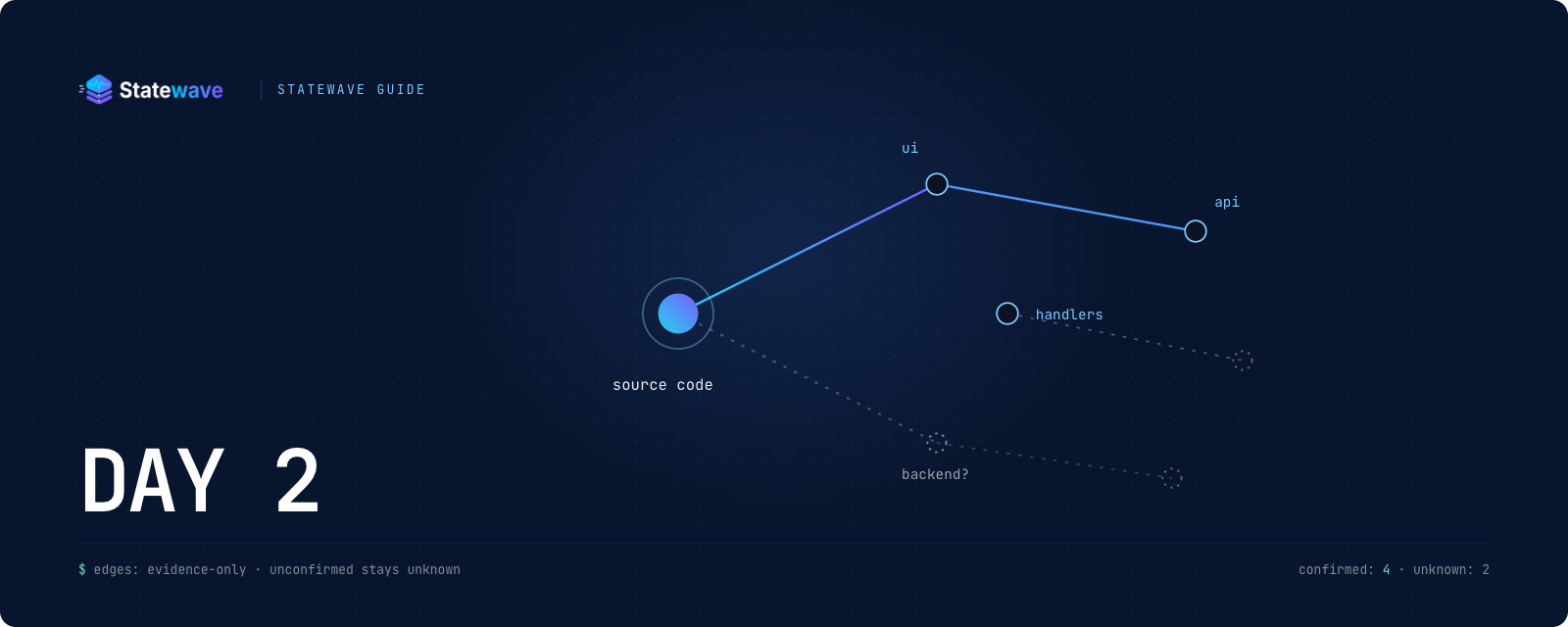
We can follow a real user action from a button to the backend without guessing. Getting there meant discovering that our own benchmark was wrong — and fixing the benchmark, not the indexer.
Read post
- Guides
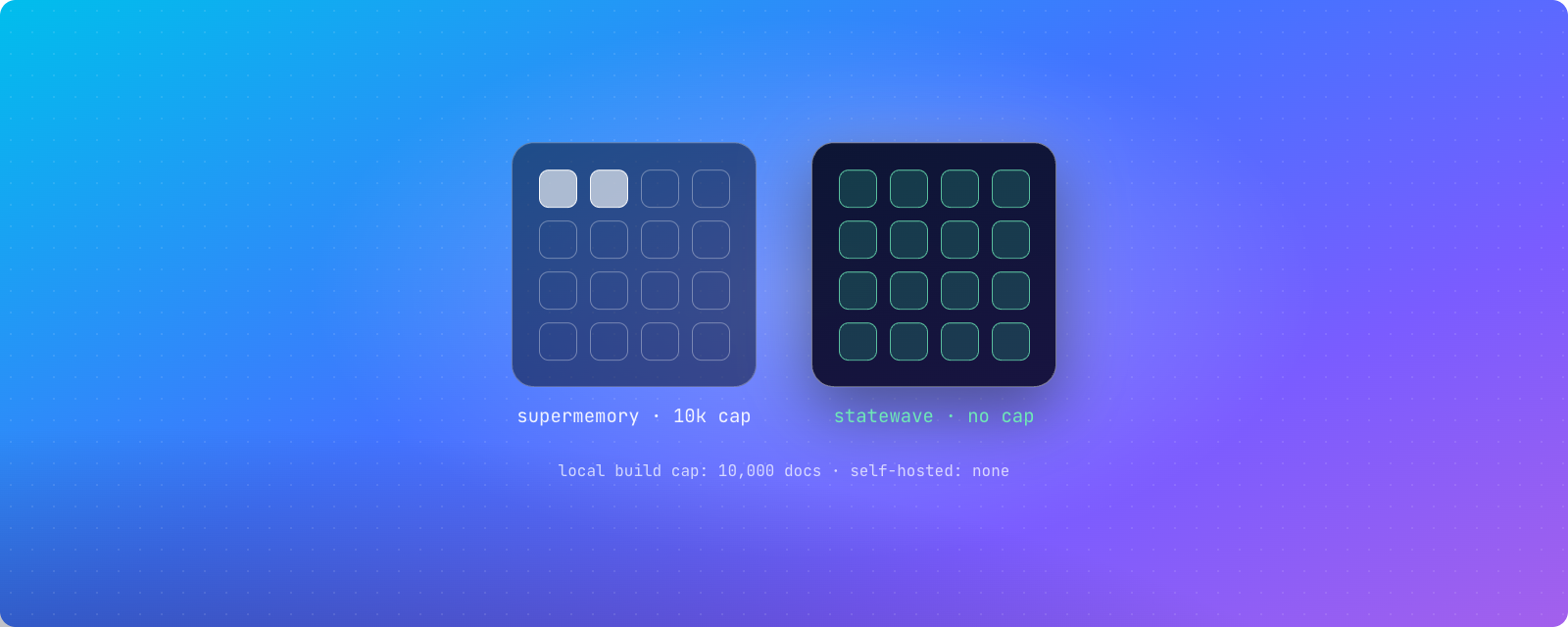
6 Best Open-Source Supermemory Alternatives (2026)
Compare six Supermemory alternatives for governed agent memory, local context, temporal graphs, reflection, and self-hosting.
Read post
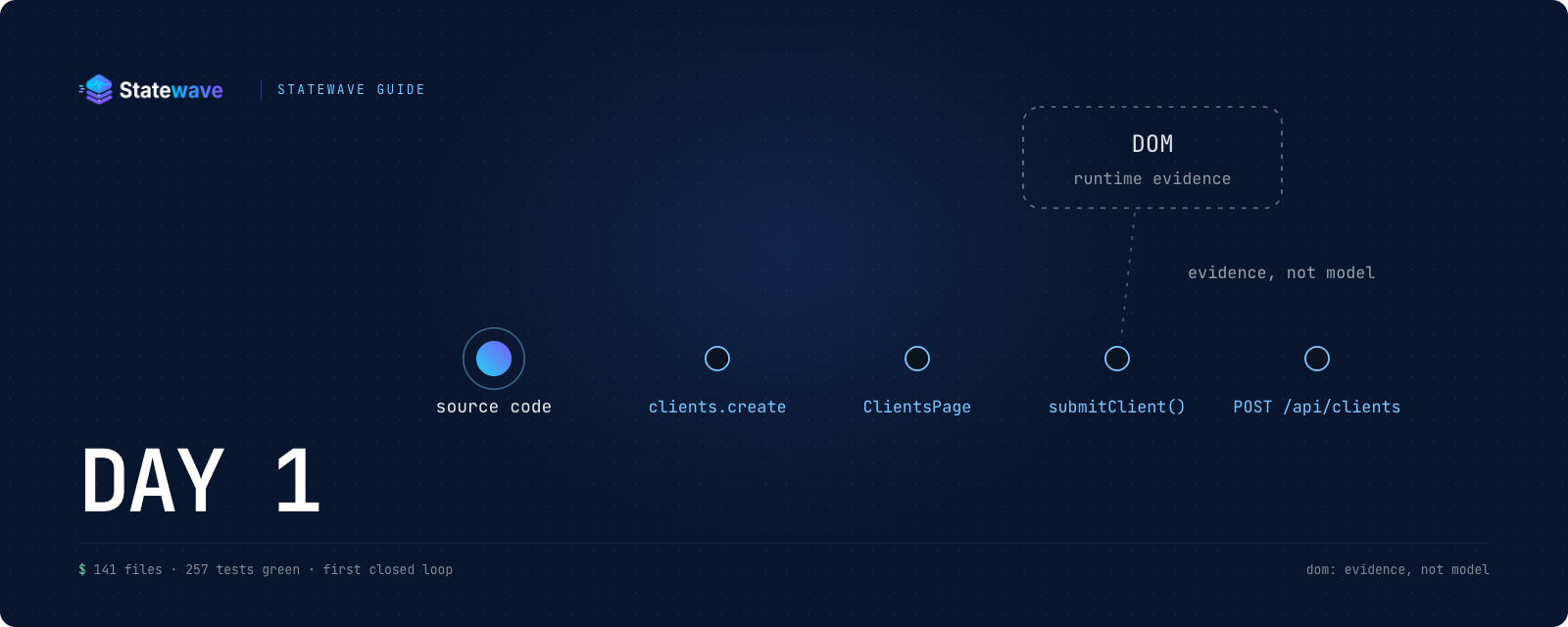
Statewave Guide — Day 1: The DOM is not the product
Day 0 ended with 257 tests passing and a working closed loop. Adversarial review found six bugs anyway — and forced the decision that shapes the whole project.
Read post
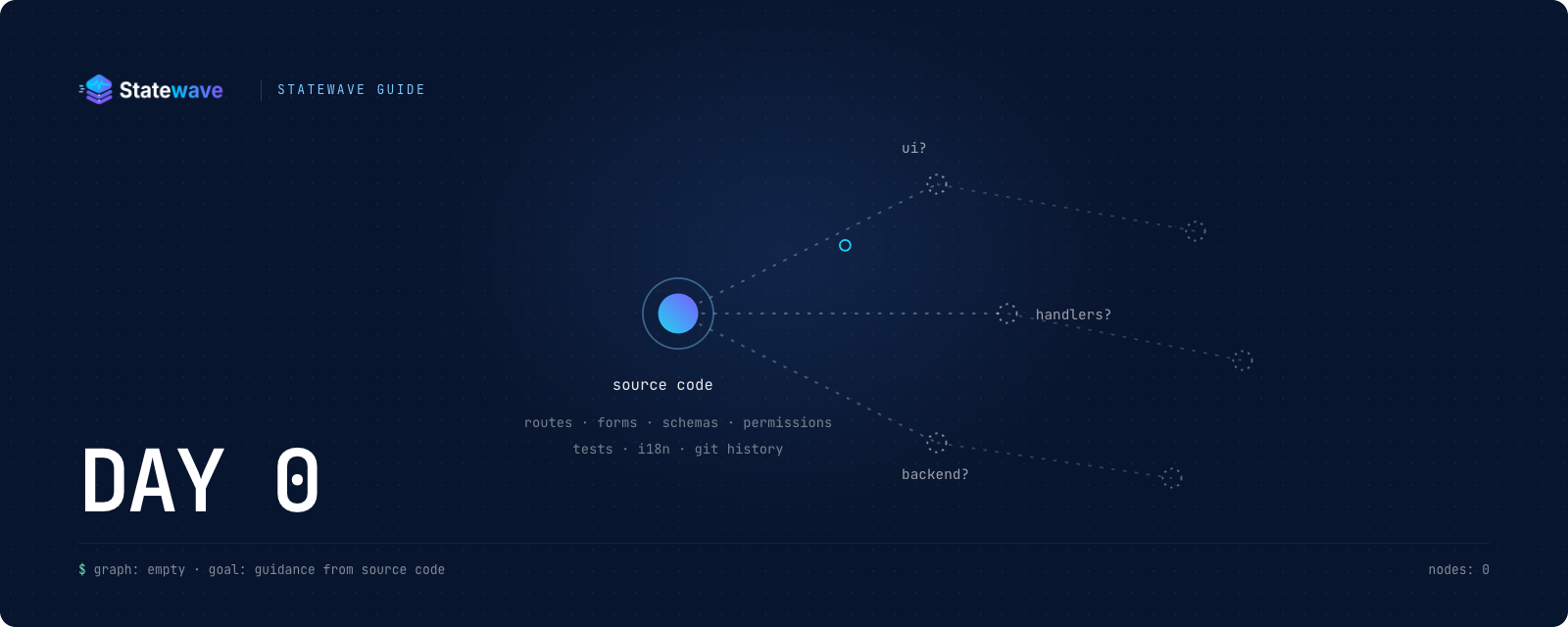
Statewave Guide — Day 0: The Beginning
A help chat that actually knows how the product works. We're building it in public, starting now.
Read post
- Engineering
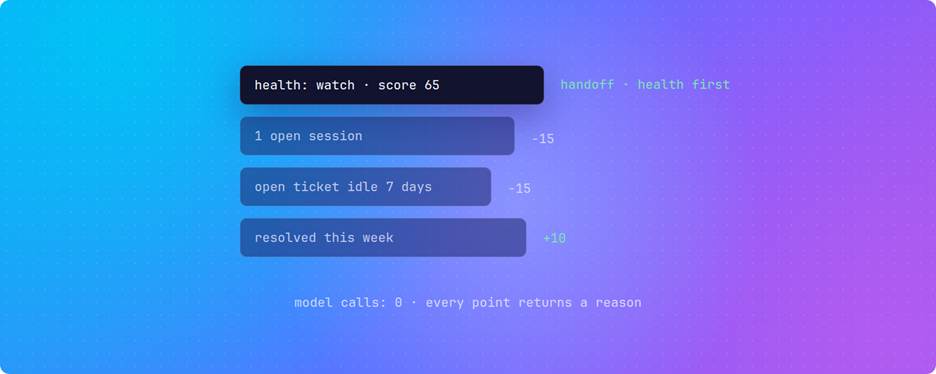
The Customer Health Score Your Support Agent Can Explain
How Statewave computes an explainable customer health score, why it drifts on quiet days, and what a handoff context pack keeps under a token budget.
Read post
- Guides
6 Best Open-Source Alternatives to Mem0 (2026)
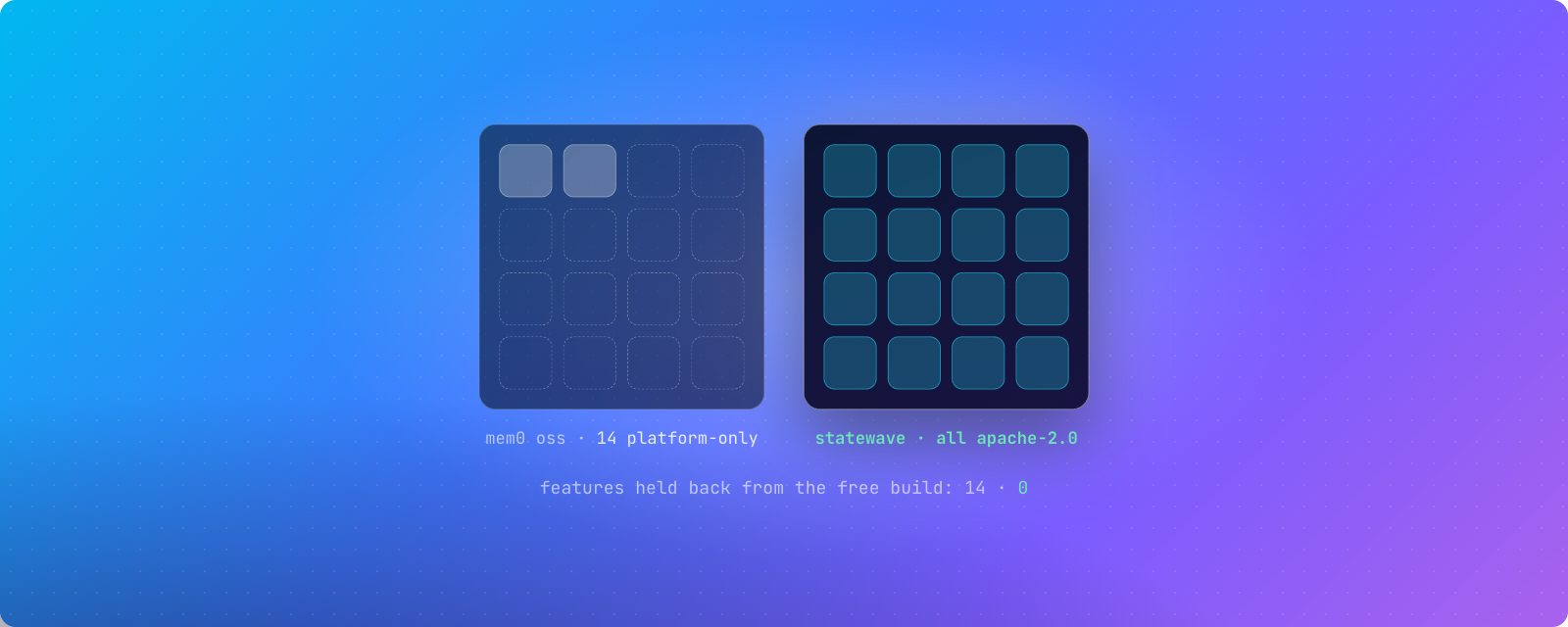
Mem0's self-hosted build lacks graph memory, webhooks, and audit logs. Compare six open-source alternatives on benchmarks, governance, and what's actually free.
Read post
- Engineering
Repeat-Issue Detection in Customer Support Automation
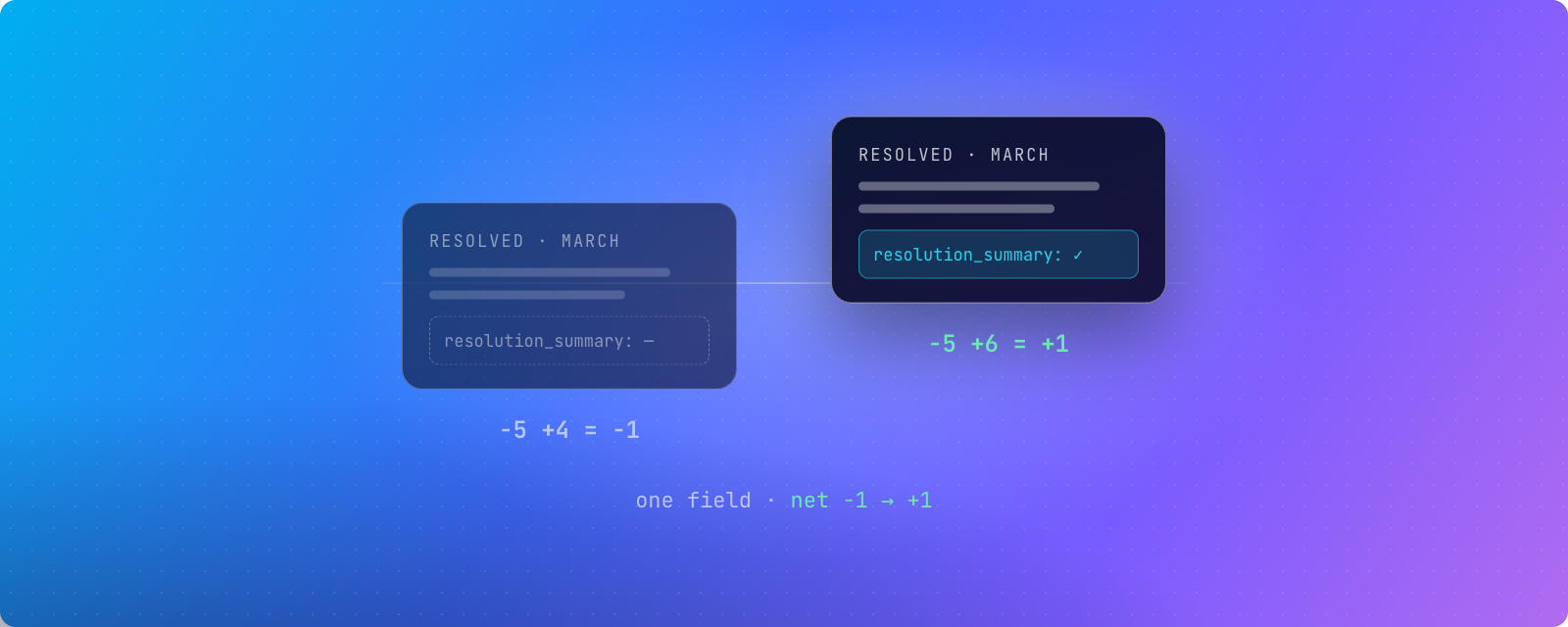
A resolved session carries a -5.0 ranking penalty. Repeat-issue detection adds +4.0, or +6.0 with a summary. One free-text field decides whether the prior fix surfaces.
Read post
- Engineering
AI Support Agents: Why Session State Beats More Memory
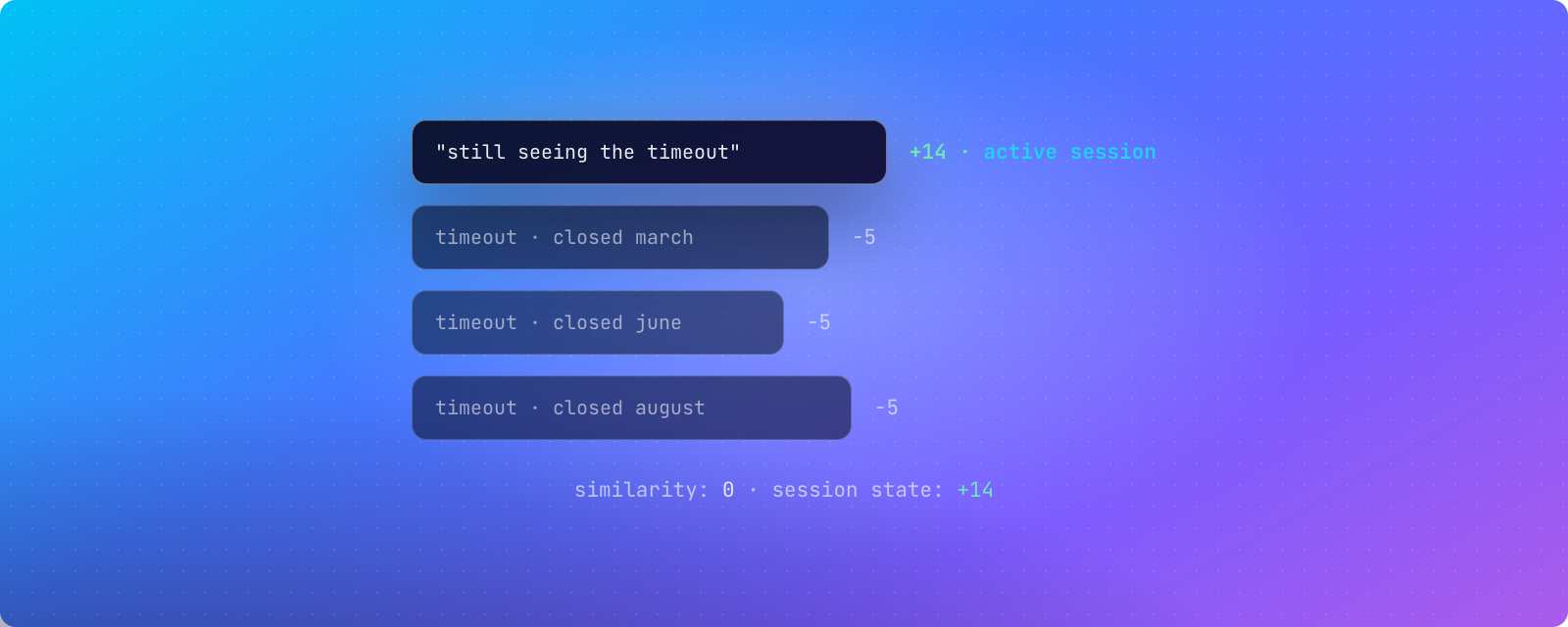
A session-aware AI support agent ranks context by ticket state, not similarity. The exact scoring weights, the repeat-issue rule, and the four failures that show up when teams build it themselves.
Read post
- Engineering
Idempotent compilation and conflict resolution: how agent memory stays clean
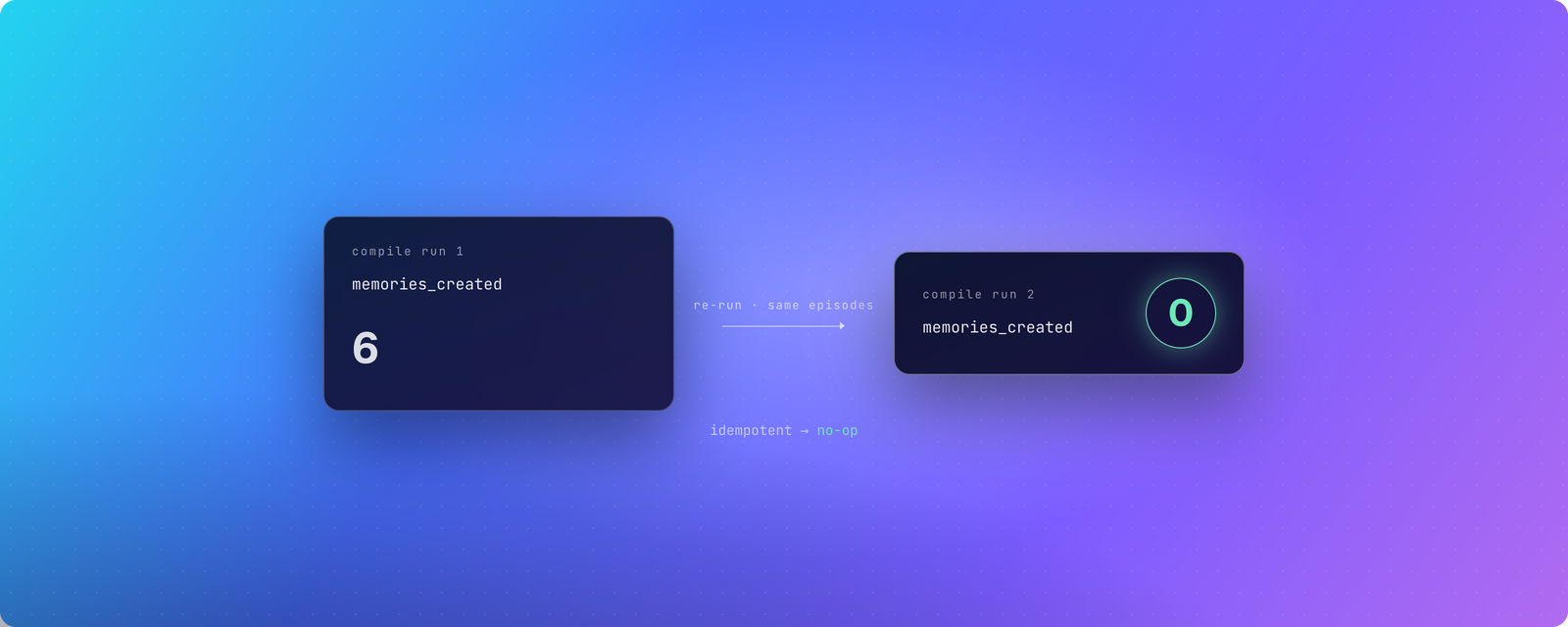
Re-running the memory build shouldn't change the store, and two events that genuinely disagree need a different answer entirely. Here's the mechanism for each, and what breaks when you treat them as one problem.
Read post
- Engineering
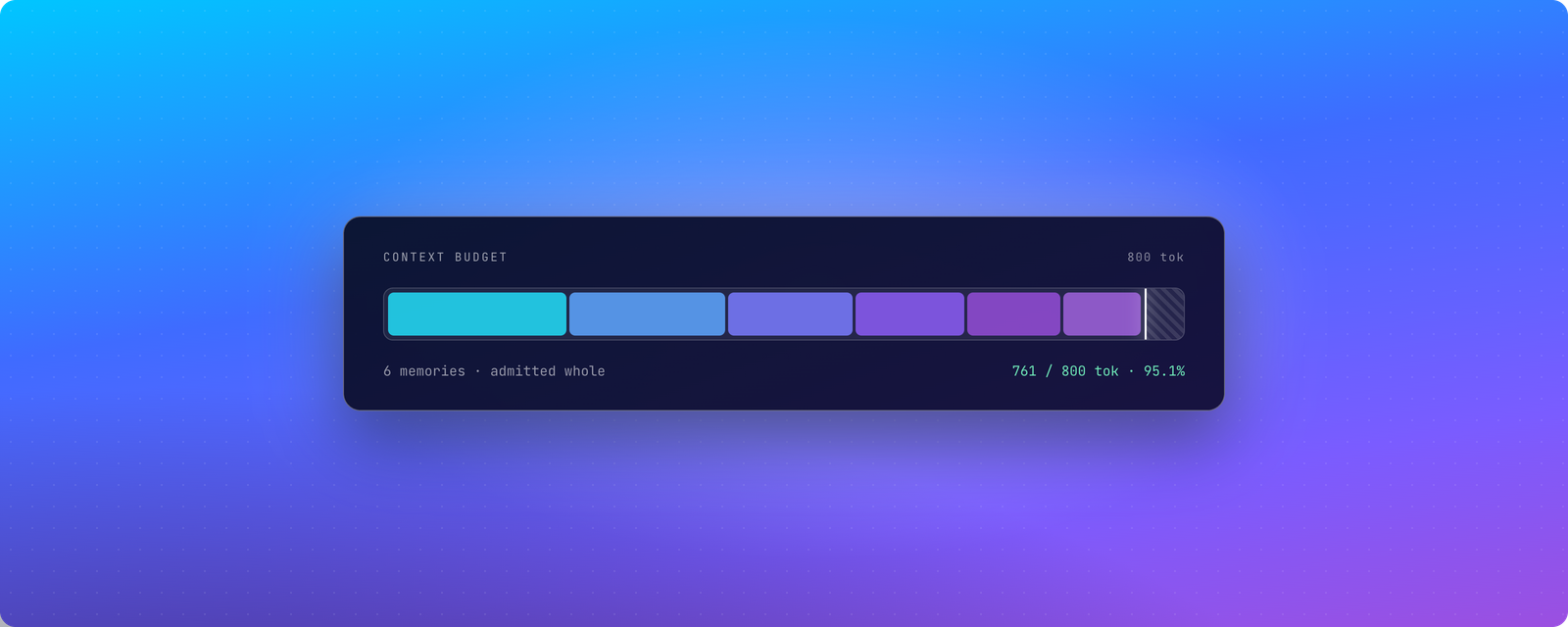
Token-bounded context assembly: how to fit agent memory into a fixed prompt budget
Score every candidate memory, fill a fixed token budget from the top of the ranking, stop at the limit. Here's the mechanism, what a bigger budget actually buys, and how to set the number for your own system.
Read post
- Concepts
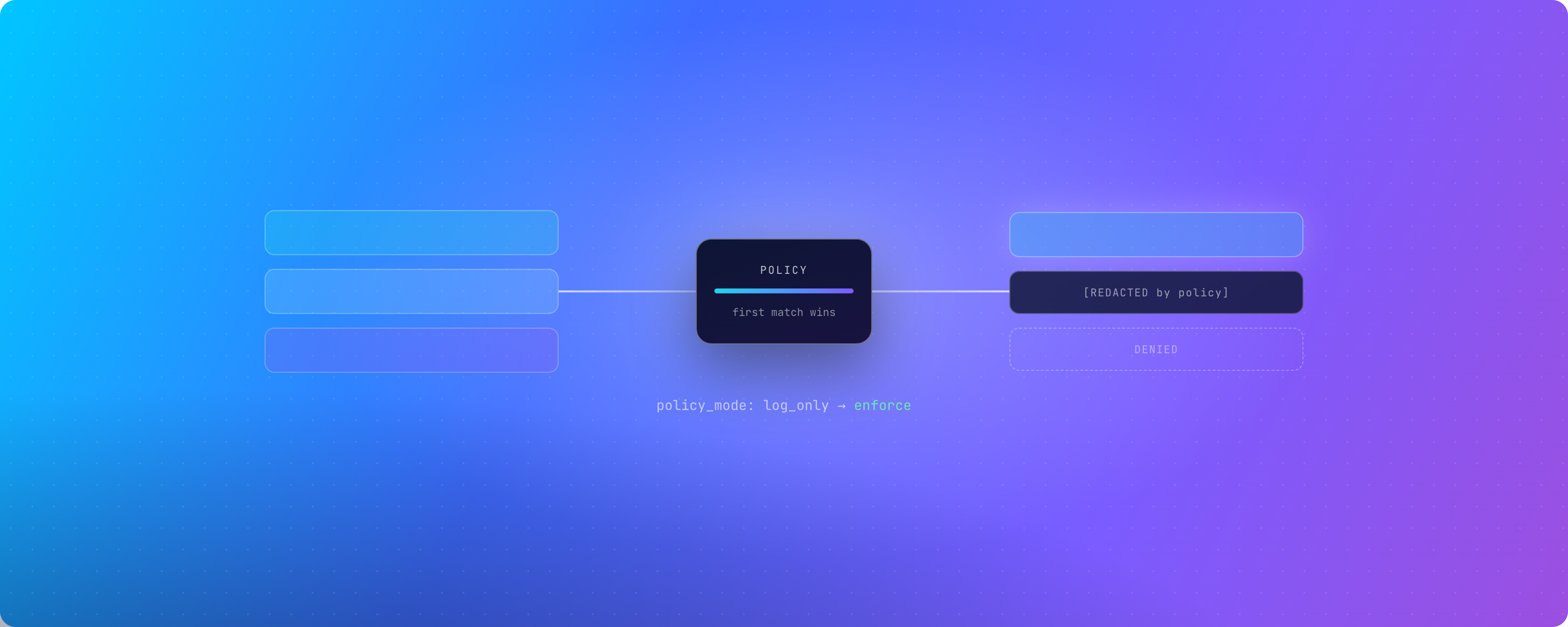
AI Data Governance for AI Agents: Governing What the Model Actually Sees
Governance for agents lives on the retrieval path, not in the catalog. What your agent remembers, what gets selected into a prompt, who may see it, where it may be stored — and what artifact you hand an auditor afterward.
Read post
- Engineering
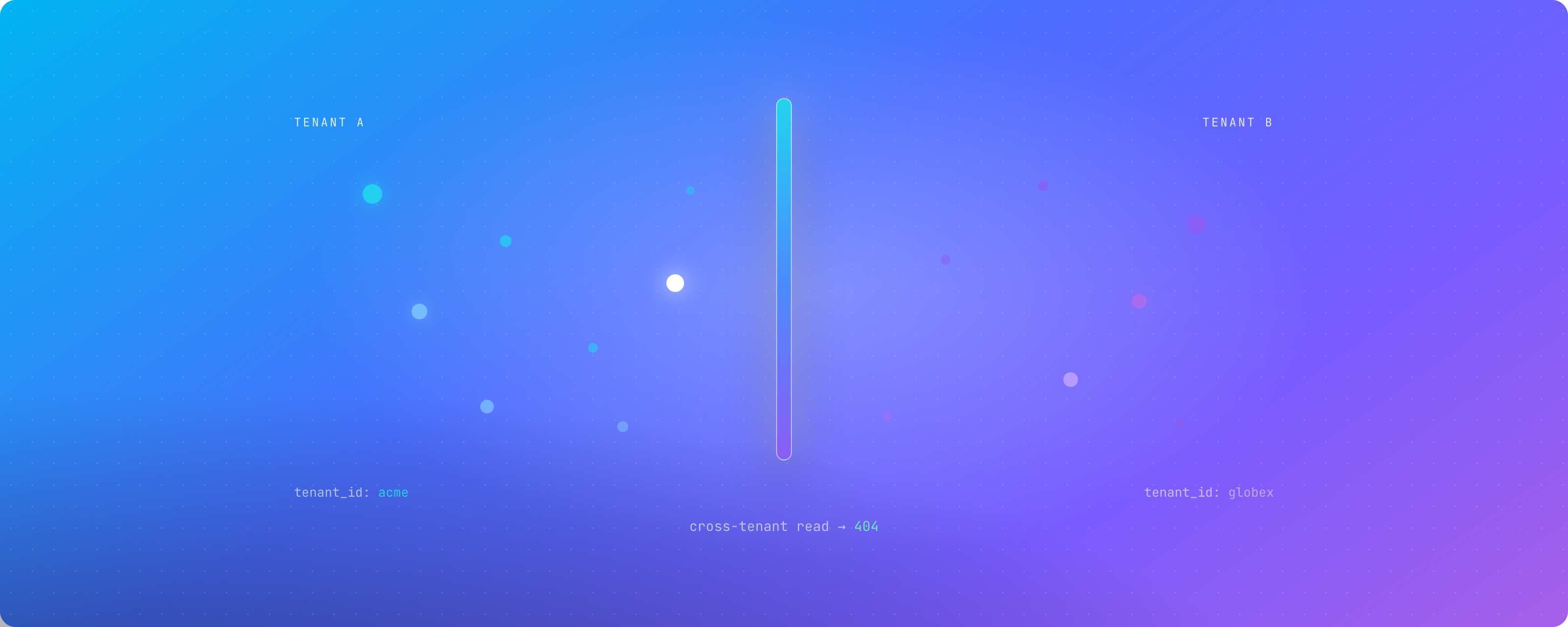
Multi-Tenant Isolation in AI Memory: Which Surfaces Actually Need a Tenant Boundary
A user can be fully authenticated, correctly authorized, and still receive another customer's facts in a context bundle. Where the tenant boundary belongs, the seven surfaces that are not tenant-scoped, and the backfill step that silently erases memory if you skip it.
Read post
- Concepts
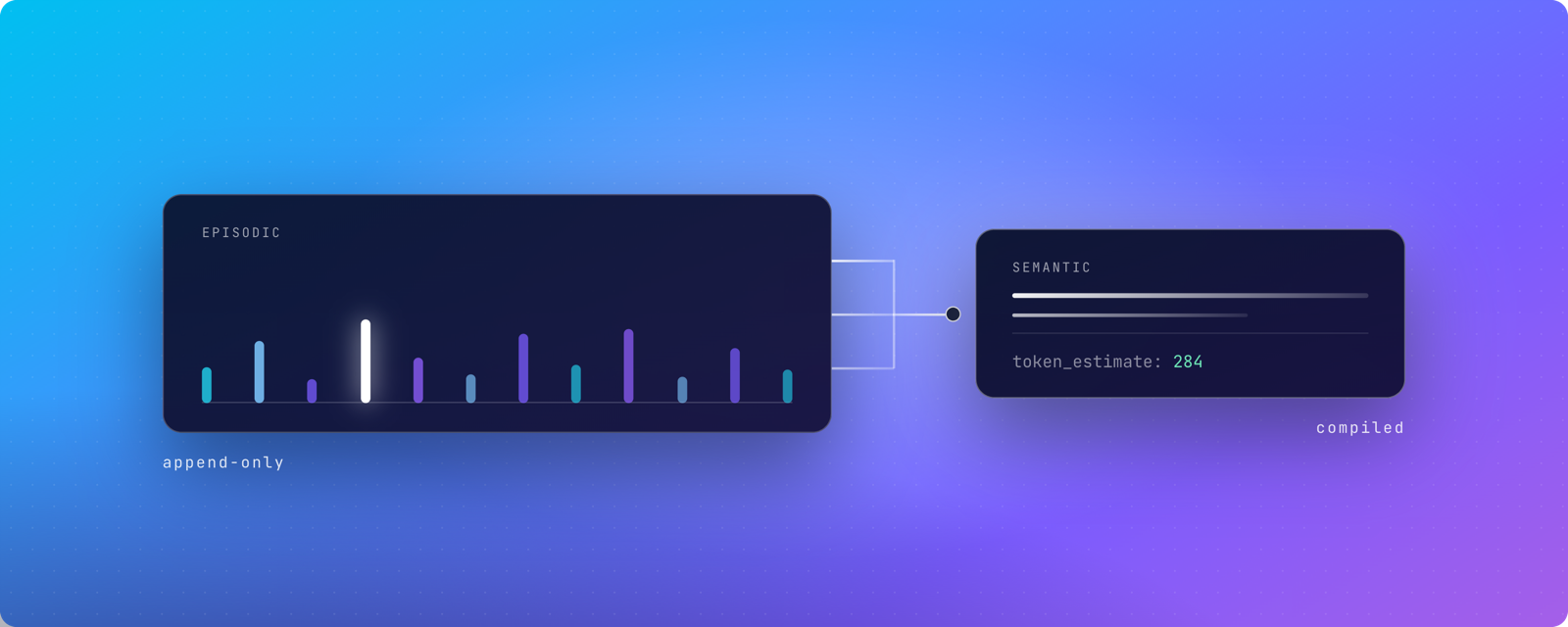
Episodic vs Semantic Memory in AI Agents: What to Store and When
Episodic memory stores what happened; semantic memory stores what's true. Here's how AI agents use each, when to convert one to the other, and how to store it.
Read post
- Concepts
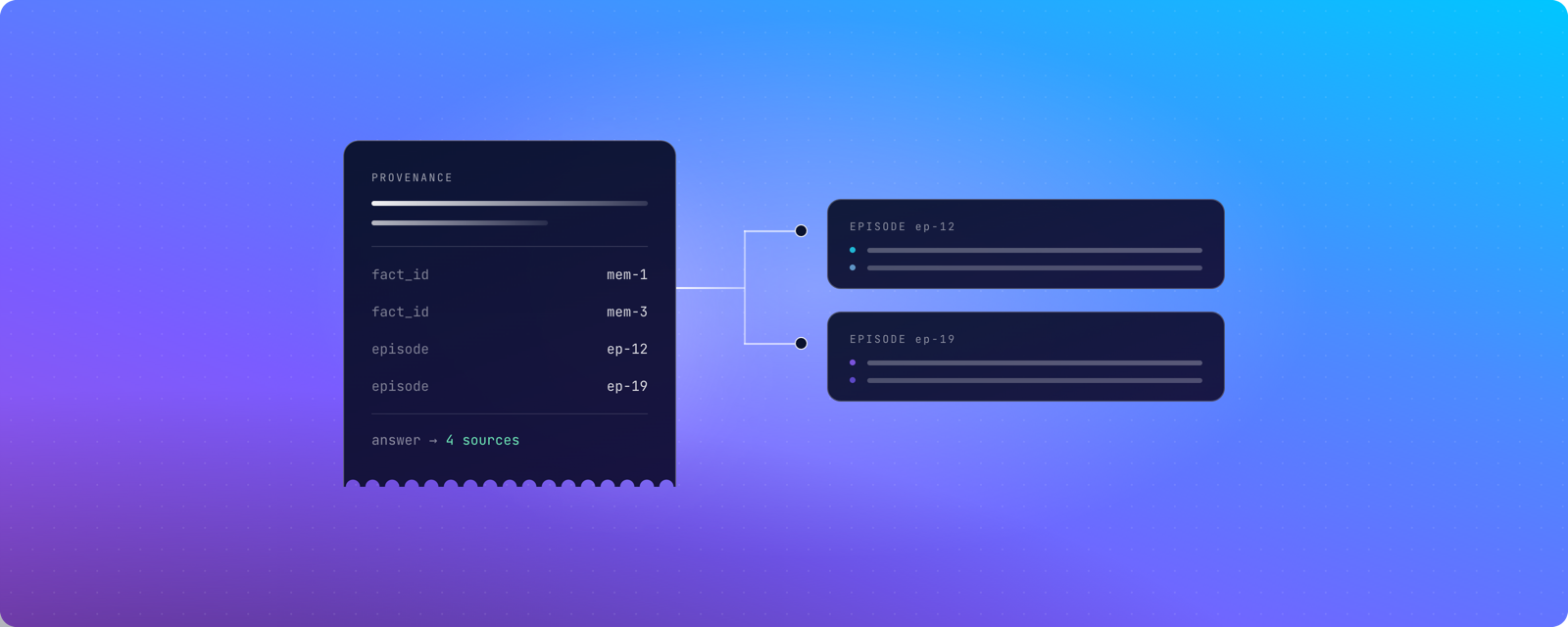
Agent memory provenance: why your LLM app needs an audit trail
When an AI agent answers from memory, you need to know where it learned the answer. This post explains the provenance model in Statewave — what we store, what it costs, and what it enables for compliance, debugging, and trust.
Read post
- Concepts
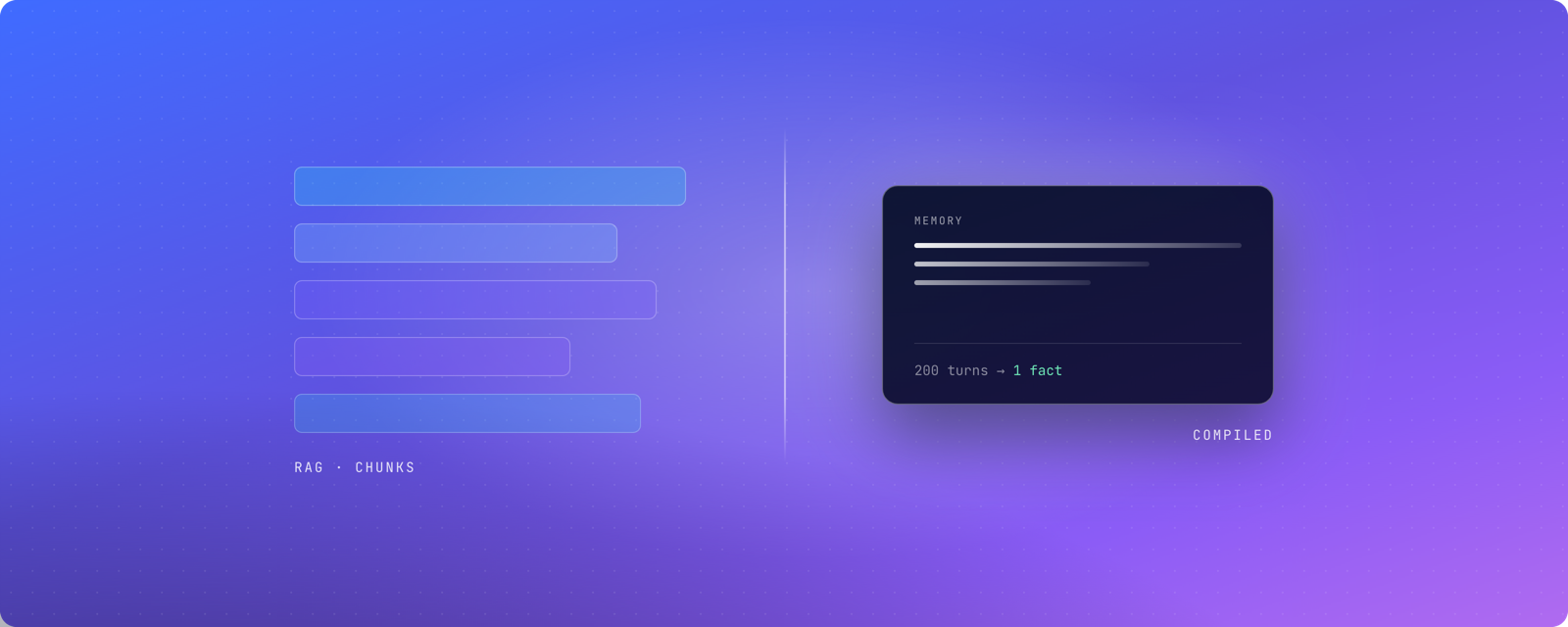
AI agent memory vs RAG — what's the difference?
Retrieval-augmented generation and an agent memory runtime overlap at the embedding store, but they answer different questions. Here's where the two diverge and which to reach for.
Read post
- Guides
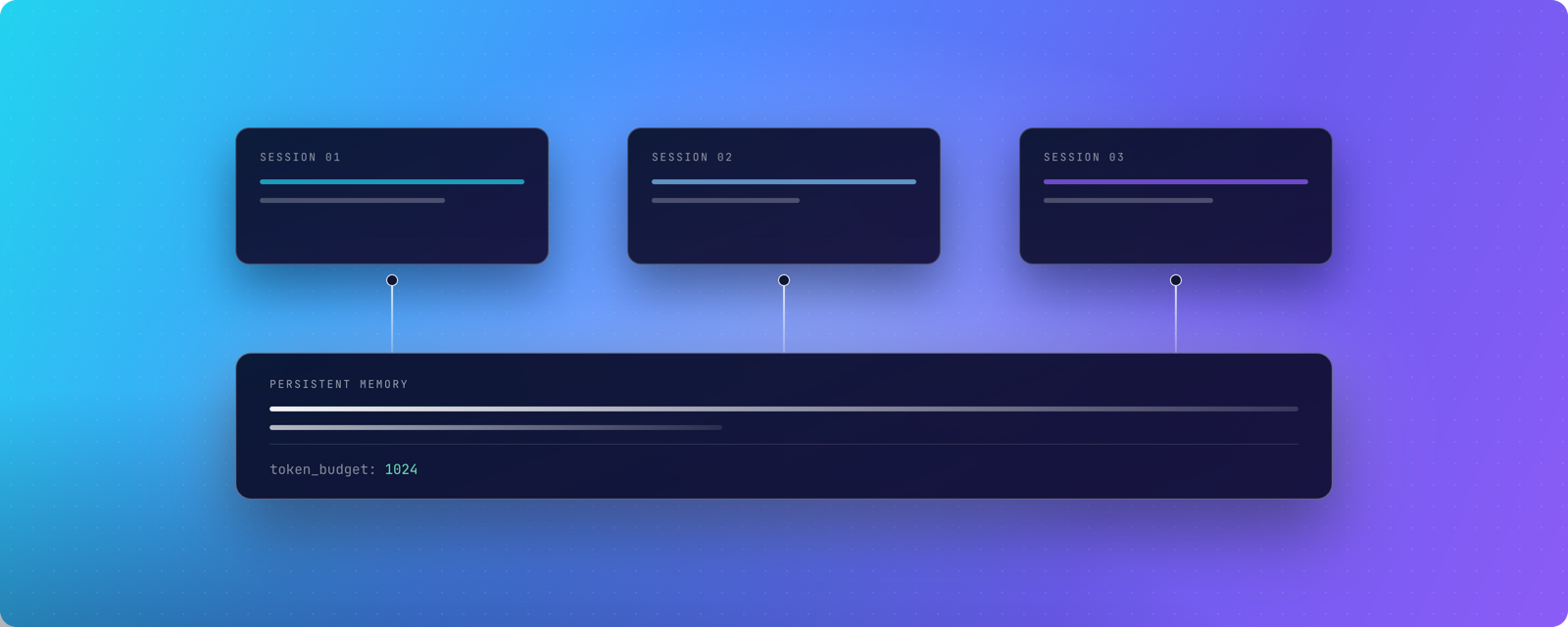
How to add persistent memory to your AI support agent
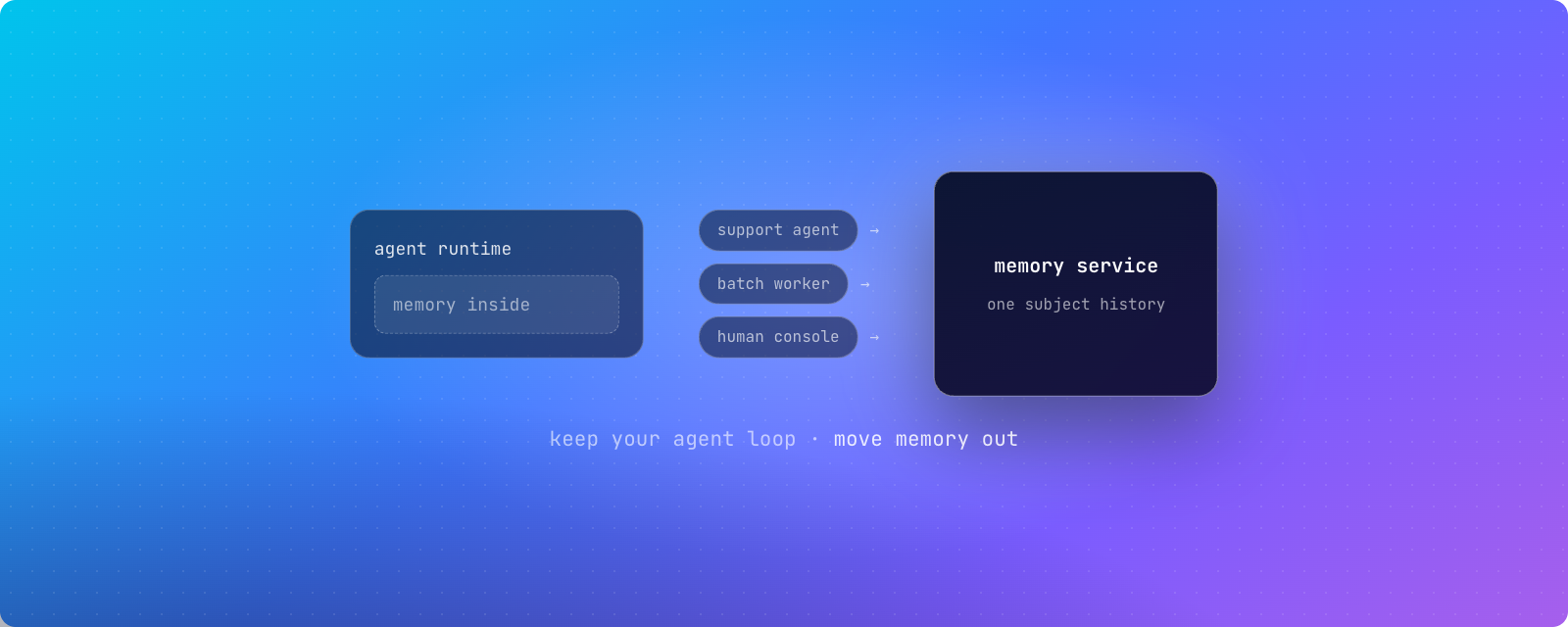
A practical walkthrough of giving a support agent durable memory of customers across sessions — what to record, how to compile it, how to retrieve it, and what to expect from the support workflow benchmark.
Read post
- Engineering
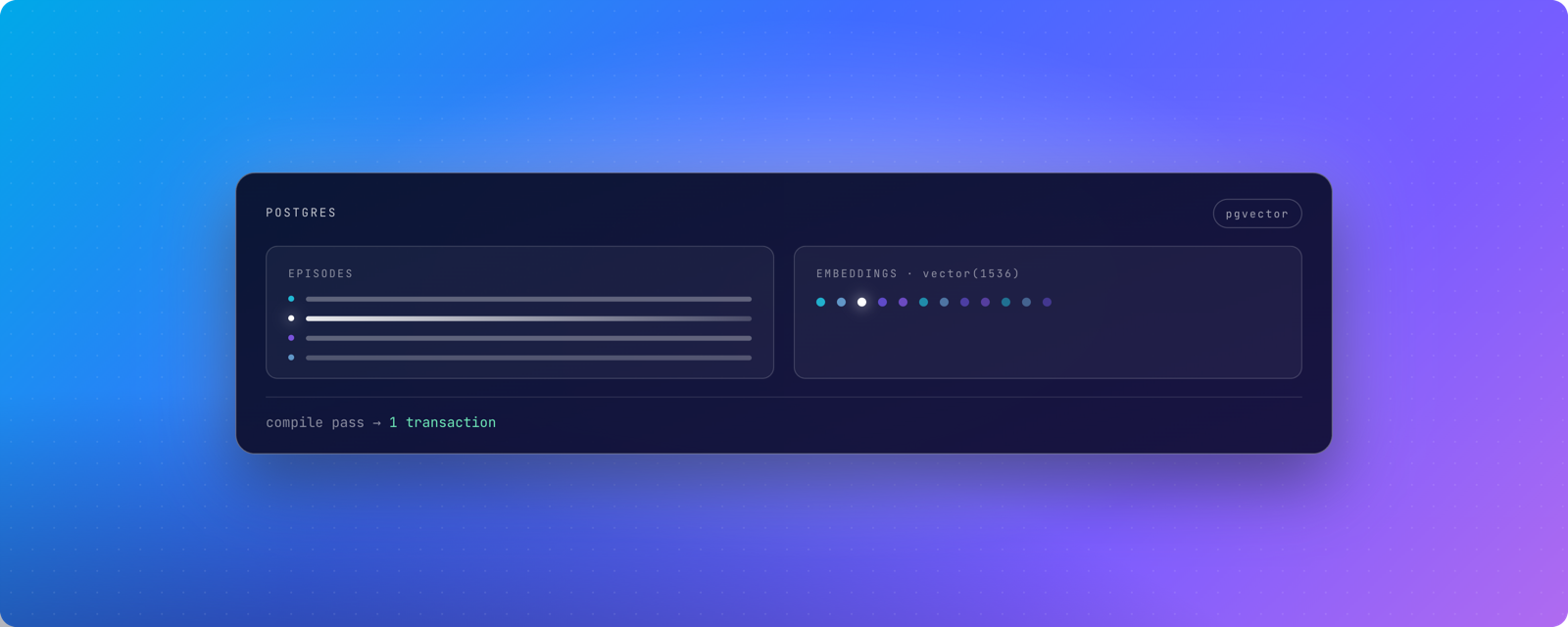
Self-hosted AI memory with Postgres and pgvector
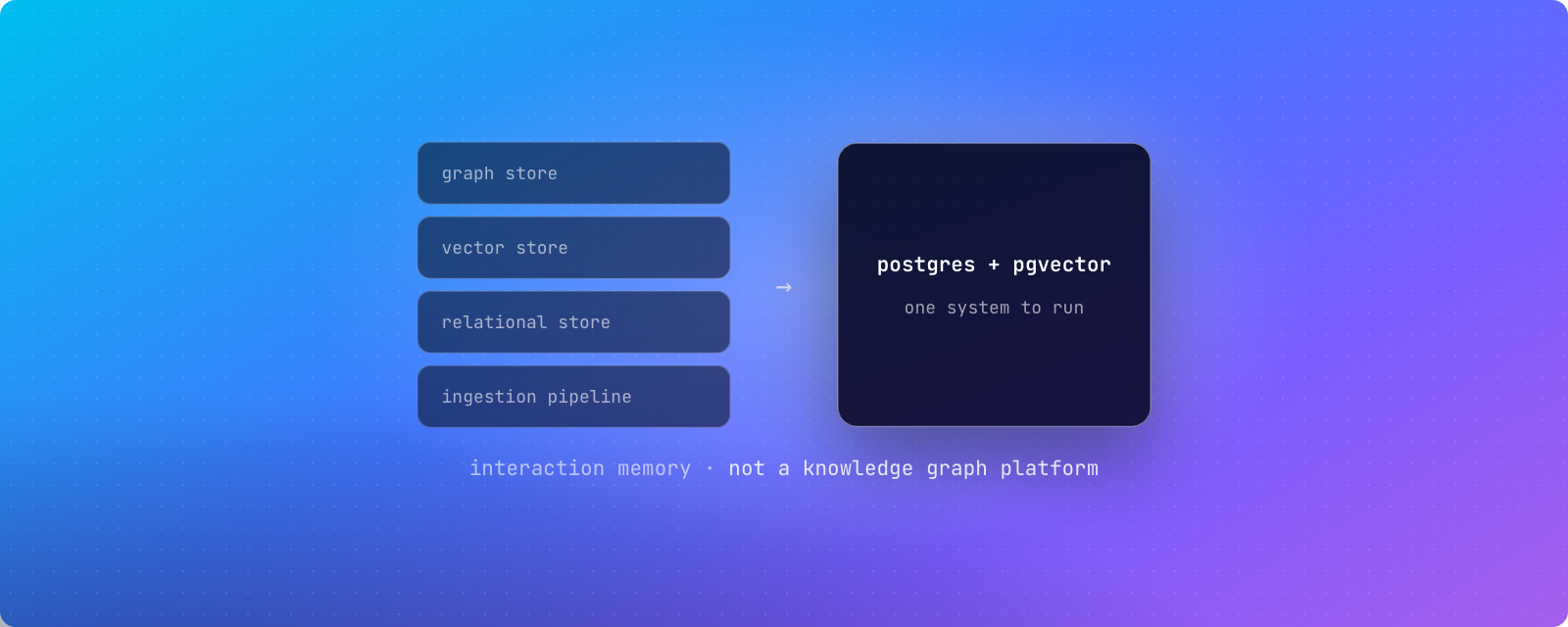
Why Statewave is Postgres-only by design, what pgvector buys you over a dedicated vector database, and what the deployment shape looks like in production.
Read post